Produktkonsultation
Din e -mail -adresse offentliggøres ikke. Krævede felter er markeret *

When a hydraulic cylinder on a truck-mounted crane begins to leak at the rod seal, the maintenance crew faces a familiar decision: rebuild the cylinder or replace it. The answer largely depends on the cylinder's construction. Tie rod cylinders use threaded steel rods to clamp the end caps against the barrel, making them serviceable with standard hand tools. Welded cylinders, on the other hand, cannot be disassembled once the weld is complete and are usually replaced as a single unit.
For many mobile and industrial equipment applications, tie rod cylinders provide a practical advantage - they can be rebuilt on site, re-sealed, and returned to service in hours. But that advantage is only worthwhile if the cylinder's bore, stroke, pressure rating, and mounting style are correctly matched to the machine's real operating conditions.
A tie rod hydraulic cylinder is built around a simple assembly: a barrel, two end caps, a piston, a piston rod, and threaded steel rods that run through the outside of the barrel and secure the structure. The threads on each rod are tightened to a specified torque, which compresses the end caps against the barrel and seals the cylinder internally.
This construction creates the key differentiator from welded cylinders. In a welded design, the end caps are welded directly to the barrel, leaving no way to open the cylinder without cutting through the weld. The weld makes the cylinder structurally rigid and compact, which is why welded cylinders are common in high-pressure, high-cycle-duty equipment such as excavators and heavy mobile machinery. Tie rod cylinders are more often found in applications where serviceability, standardization, and low initial cost matter. Their external rods add to the overall width, but the service margin is significant when the machine is expected to run for many years.
| Feature | Tie Rod Cylinder | Welded Cylinder |
|---|---|---|
| Construction | Threaded steel rods hold the end caps | End caps are welded directly to the barrel |
| Servicing | Can be dismantled and rebuilt in the field | Generally must be replaced, not rebuilt |
| Cost | Lower initial cost | Higher initial cost |
| Envelope | Larger due to external tie rods | Compact, no rods outside the barrel |
| Pressure Rating | Typically 1,500 to 3,000 psi | Can exceed 5,000 psi |
| Typical Uses | Machine tools, mobile cranes, aerial lifts | Construction machinery, mining equipment, presses |
Four specifications determine whether a tie rod cylinder will work correctly in a particular machine: bore size, stroke length, pressure rating, and rod diameter.
Bore size controls the force generated by the cylinder. Hydraulic force equals pressure multiplied by the effective piston area. A larger bore produces more force for the same system pressure, which is why bore selection is the first step in dimensioning a cylinder. Stroke length is simple but easy to overspecify. It should match the required travel of the mechanism, plus clearance on both ends. A stroke that is too long can create buckling risk; a stroke that is too short limits the working range.
Pressure rating must cover the highest expected operating pressure with a reasonable margin. Running at the upper limit every cycle shortens seal life and stresses the rod threads. It is safer to specify a cylinder that stays below 80 percent of its maximum rating during normal work. Rod diameter determines the rod's ability to resist compression and side loads. A thin rod on a long stroke can bend under buckling stress, so the rod diameter has to be checked against the effective stroke length and the load profile.
The mounting style also belongs on this list. Front flange, rear flange, clevis, and spherical eye mounts all change how the cylinder absorbs forces. A mismatched mount leads to misalignment, accelerated seal wear, and eventually rod scoring.
Tie rod cylinders are found in mobile equipment, machine tools, agricultural machinery, and material handling systems. In mobile applications, they are often used for outrigger stabilizers, boom luffing, and telescopic extension.
A truck-mounted crane, for instance, uses several hydraulic cylinders to perform horizontal extension, boom luffing, rotary positioning, and outrigger deployment. Each function has a different load and speed profile, so the cylinder specifications are tailored to the specific movement. The outrigger cylinder must hold the machine's weight and resist side loads, while the telescopic cylinder extends the boom and must operate smoothly under changing loads.
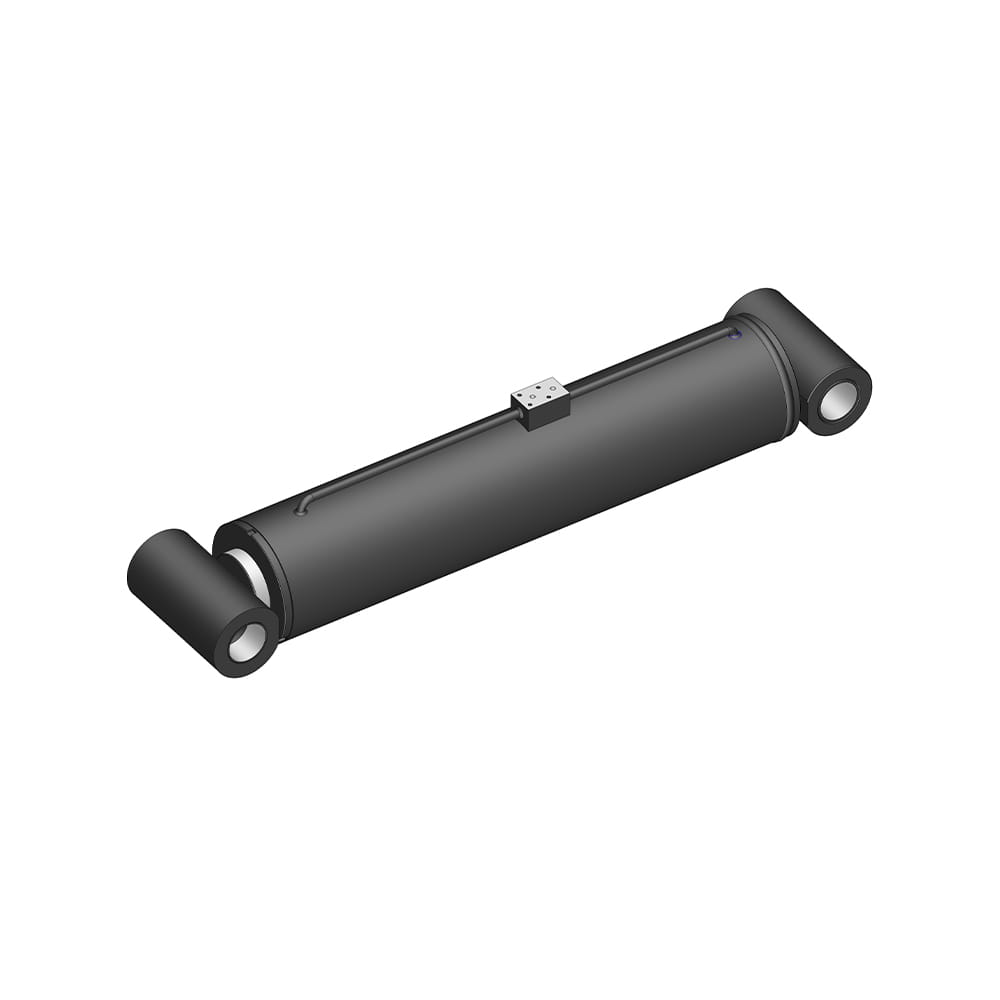 Hydraulic Cylinders for Truck-Mounted Cranes: Luffing, Telescopic, Outrigger, and More These tailored hydraulic cylinders support truck crane functions like boom luffing, telescoping, outrigger stabilization, and rotation. They offer high load capacity, pressure retention, and lightweight design for reliable lifting operations. View Product →
 The same manufacturing discipline applies to aerial work platforms. A telescopic cylinder on an aerial work vehicle extends the platform upward and outward, and it has to perform reliably in weather conditions and with dynamic wind loads. These cylinders require close tolerance machining and robust seals to last through thousands of cycles.
The main practical advantage of a tie rod cylinder is that it can be rebuilt. A technician releases the tie rod tension, removes the end cap, and pulls out the piston and rod assembly. Worn seals are replaced, the cylinder is cleaned, and it is reassembled and pressure-tested before being returned to service.
Tie rod tension, however, must be handled carefully. The rods have to be tightened evenly and to the manufacturer's torque specification. Uneven tension can distort the barrel, causing the piston to wipe unevenly and accelerating seal wear. The correct procedure is to tighten the rods in a cross pattern and to check the torque after a few operating hours.
Lubrication and fluid management also play a key role in cylinder life. Clean hydraulic fluid with the proper viscosity and adequate filtration reduces the wear rate on seals and internal surfaces. Proper lubrication and fluid management extend the service life of high-pressure cylinders by minimizing abrasive wear and preventing premature seal degradation.
Seal selection deserves its own attention. The seal compound must be compatible with the hydraulic fluid, the working temperature range, and the pressure level. A high-quality seal kit with proper groove tolerances prevents internal and external leakage. For cylinders working in dusty or outdoor environments, the rod seal must also resist contamination ingress.
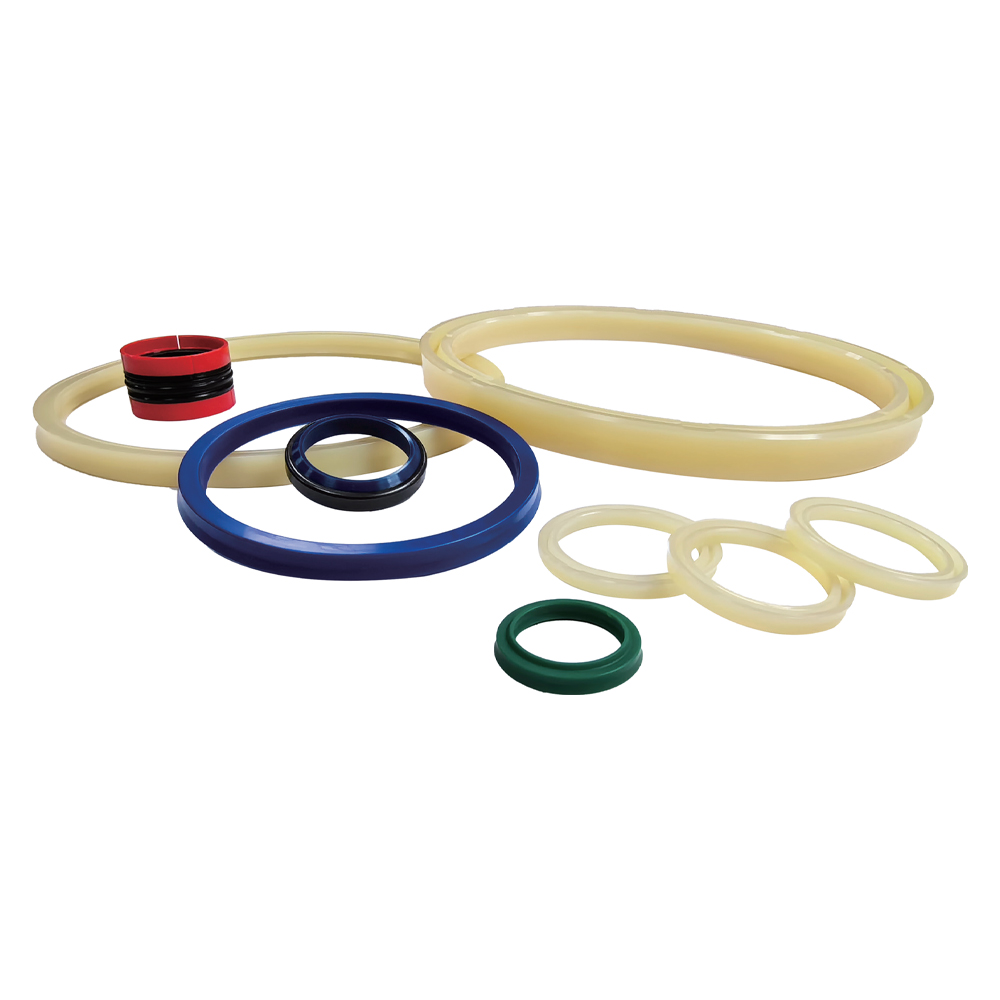 Hydraulic Cylinder Seals for Leak Prevention and Pressure Stability Seals within the cylinder prevent internal and external leakage, maintaining stable oil pressure. Various types are available from brands like Hallite and NOK, ensuring compatibility with fluid, temperature, and pressure conditions. View Product →
 When purchasing tie rod cylinders for equipment or replacement, the first task is to define the actual force and speed requirements. Calculate the force from the load and the lever arm, then add a safety factor. From the force and the available system pressure, the minimum bore diameter can be determined.
Next, look at the operating environment. Temperature extremes, moisture, and debris all influence the choice of seal material and rod treatment. A cylinder running in an outdoor crane exposed to rain and dust needs a corrosion-resistant rod and a seal system that keeps water out. A cylinder running in a machine shop has different requirements.
The total cost of ownership is another decisive factor. Factors that influence hydraulic cylinder cost include bore size, rod material, custom features, and the quality level of seals. A less expensive cylinder may need more frequent rebuilds, causing downtime and extra labor.
In an aerial work platform, the telescopic cylinder must support the platform's weight and resist bending from wind and uneven load distribution. It also has to provide a smooth extension motion for precise positioning.
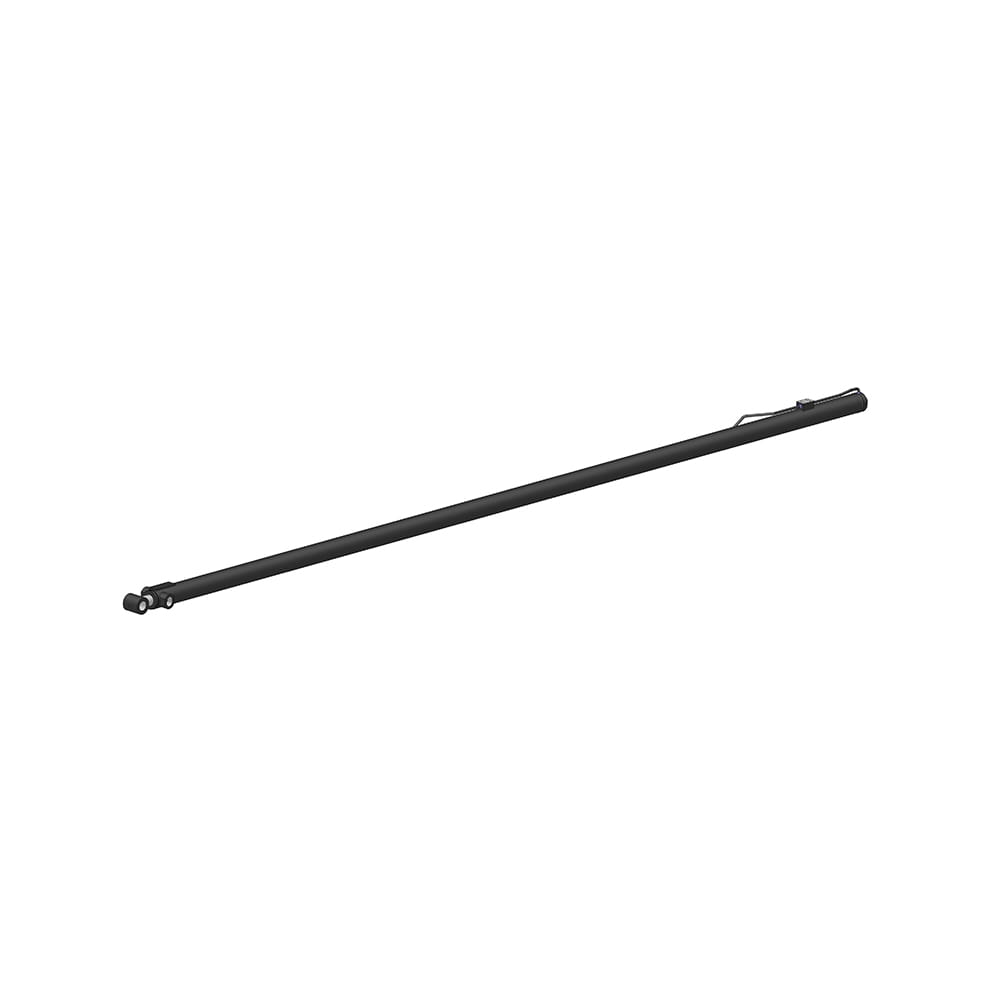 Aerial Work Platform Telescopic Cylinder for Boom Extension This telescopic cylinder controls the boom's extension and retraction, enabling precise height and reach adjustments. It must support platform weight and resist bending, demanding close-tolerance manufacturing for durability. View Product →
 No matter how carefully the specifications are chosen, the cylinder will only deliver long service life if it is manufactured to close tolerances. Barrel straightness, piston clearance, rod surface finish, and seal groove machining all determine how many cycles a cylinder can survive.
A hydraulic cylinder manufacturer with experience in specific machine types can provide valuable guidance during the selection phase. The manufacturer should be able to recommend the right rod coating, seal compound, and pressure rating based on the application's duty cycle and environment. For original equipment manufacturers, collaborating with the cylinder supplier early in the design process helps prevent field failures and reduces the need for subsequent redesigns.
Testing and quality assurance also matter. Dimensional checks, pressure tests, and leak tests should be performed on every cylinder before shipment. When a supplier takes ownership of the performance requirements, the end user gains confidence that the machine will operate reliably in the field.
Din e -mail -adresse offentliggøres ikke. Krævede felter er markeret *
Fantastisk design møder streng fremstilling
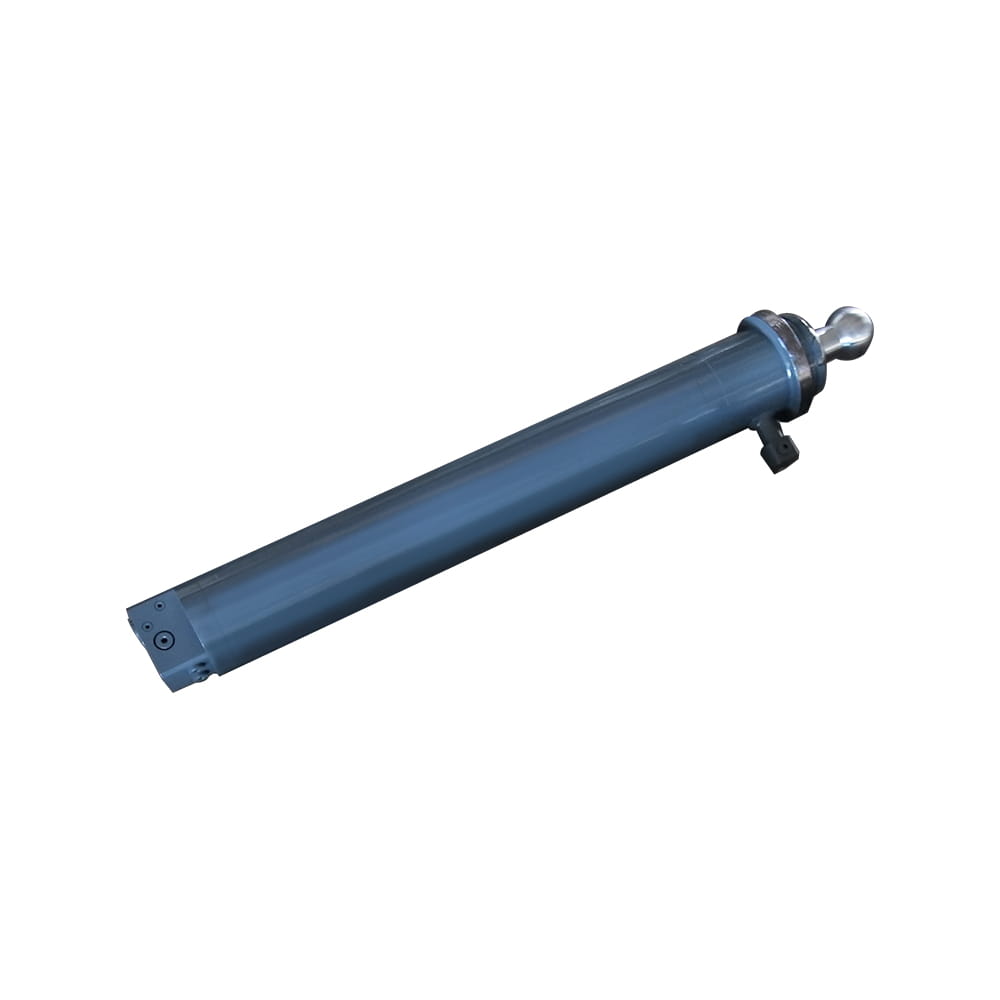 Scissor Lift Aerial Platform Hydraulic Outrigger Cylinder
Funktion: Understøtter køretøjet fast: sikrer stabilitet under drift. Kuglhovedets fod niveauer automatisk på skråninger, mens den integrerede balanceventil ...
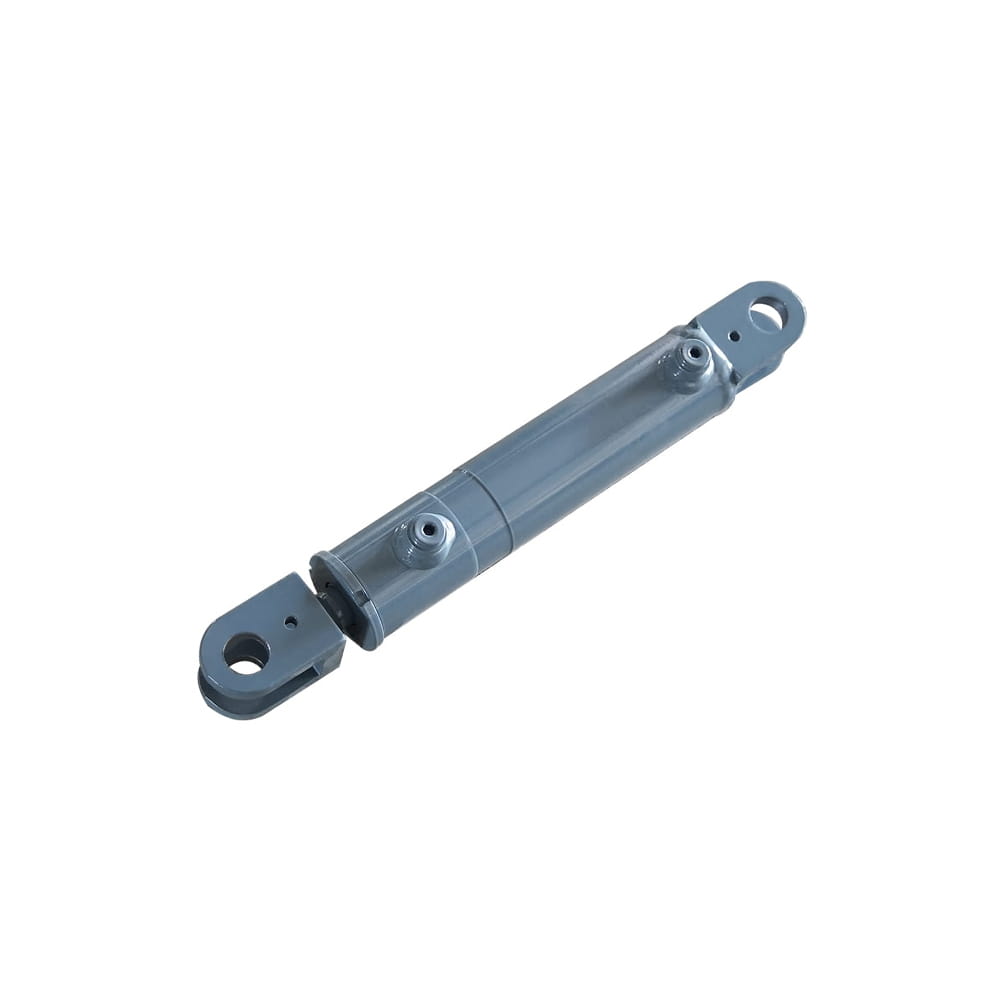 Scissor Lift Aerial Platform Hydraulisk styrekylinder
Funktion: Tilslutning af chassis og hjulknudepunkt: Gennem hydraulisk tryk driver stempelstangen til at bevæge sig, hvilket gør det muligt for præcis rotatio...
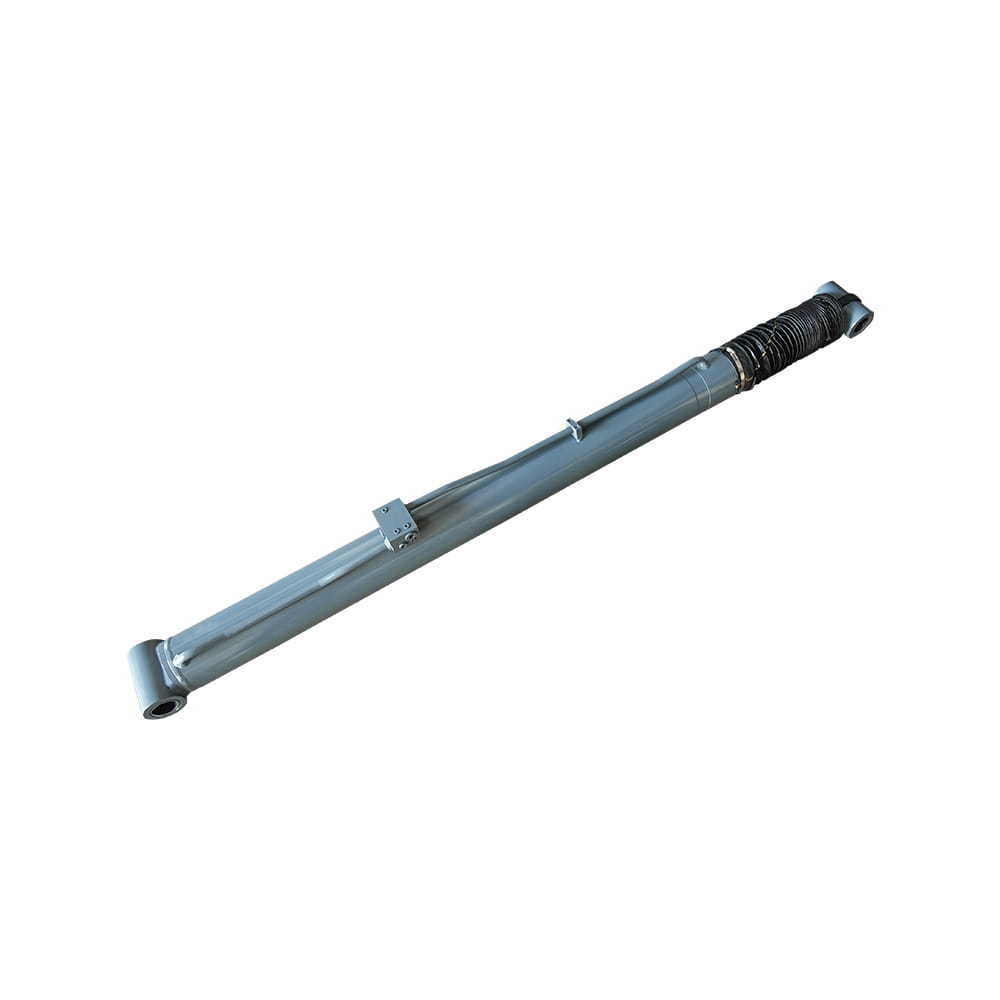 Boom Lift Aerial Platform Hydraulic Luffing Cylinder
Funktion: Juster vinklen på den teleskopiske arm for fleksibelt at placere arbejdsplatformen i forskellige højder og positioner, opfylde forskellige luftarbe...
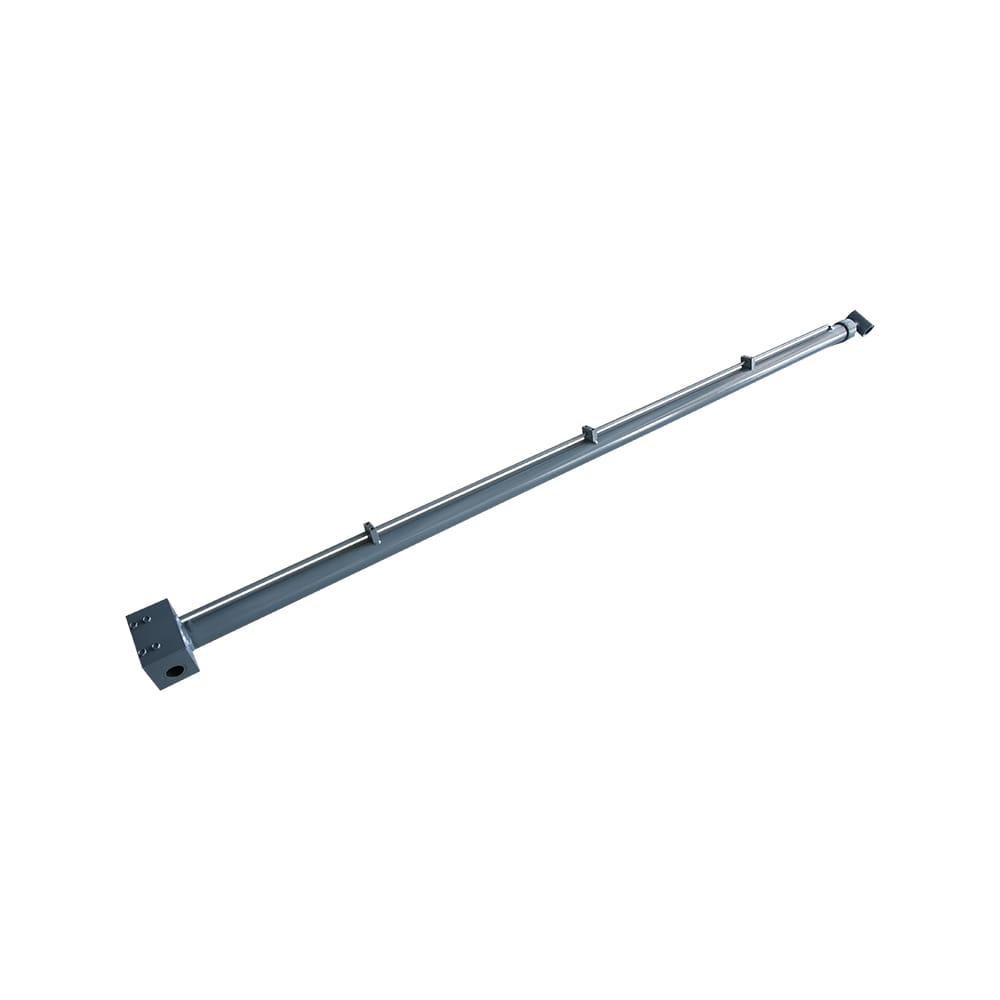 Boom Lift Aerial Platform Hydraulic Telescopic Cylinder
Funktion: Juster længden af armen for at lade luftarbejdsplatformen løfte og bevæge sig fleksibelt, hvilket sikrer rækkevidde og højdekrav.
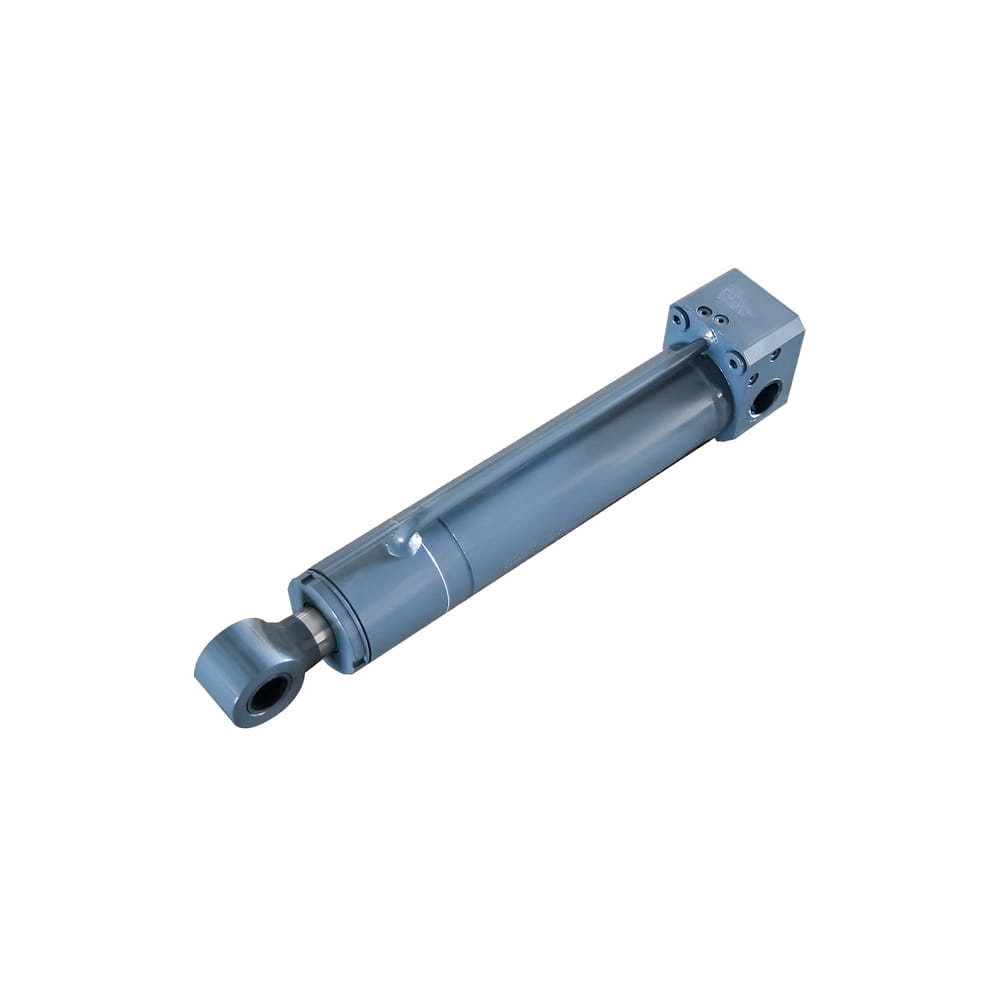 Boom Lift Aerial Platform Hydraulisk ramme nivellering cylinder
Funktion: Juster automatisk chassiset i bunden af platformen til en niveau-tilstand, hvilket sikrer stabil og wobble-fri støtte i forskellige terræn og arbej...
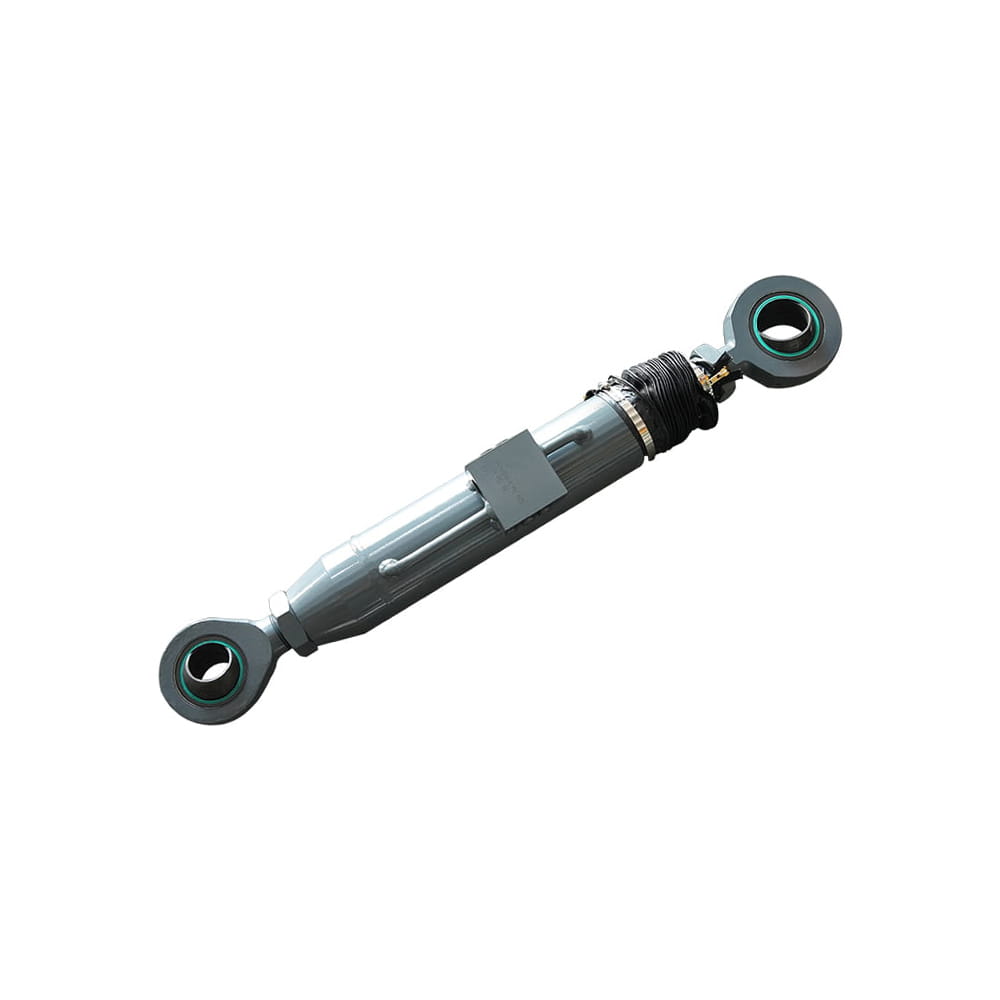 Boom Lift Aerial Platform Hydraulic Bridge Extension Cylinder
Funktion: Et vigtigt design, der forbedrer tilpasningsevne og arbejdsområdet. Denne funktion gør det muligt for platformen at udvide sit chassis under specif...
Copyright © by Zhejiang Huanfeng Machinery Co., Ltd. Rights Reserved.
